Ladakh, a remote high-altitude region in northern India, has undergone significant changes since opening to foreign tourism in 1974. While tourism has become an important source of income, its benefits have been unevenly distributed. Most economic gains are concentrated in the town of Leh, while many rural communities receive little direct benefit.
Tourism has also increased pressure on Ladakh’s fragile environment. Higher demand for water, energy, and infrastructure has contributed to resource shortages, pollution, and waste-management challenges. Traditional systems of cooperation and resource sharing have been weakened as the local economy becomes increasingly dependent on cash and tourism-related activities.
The cultural impact has been equally significant. Exposure to foreign lifestyles and consumer culture has influenced local values, particularly among younger generations, while growing inequalities have contributed to social tensions within the region.
The experience of Ladakh highlights the importance of sustainable tourism. Ensuring that local communities benefit fairly, protecting natural resources, and preserving cultural heritage are essential for maintaining the region’s unique identity and long-term well-being.
Shara Valley Sustainable Development Project Through Responsible Tourism
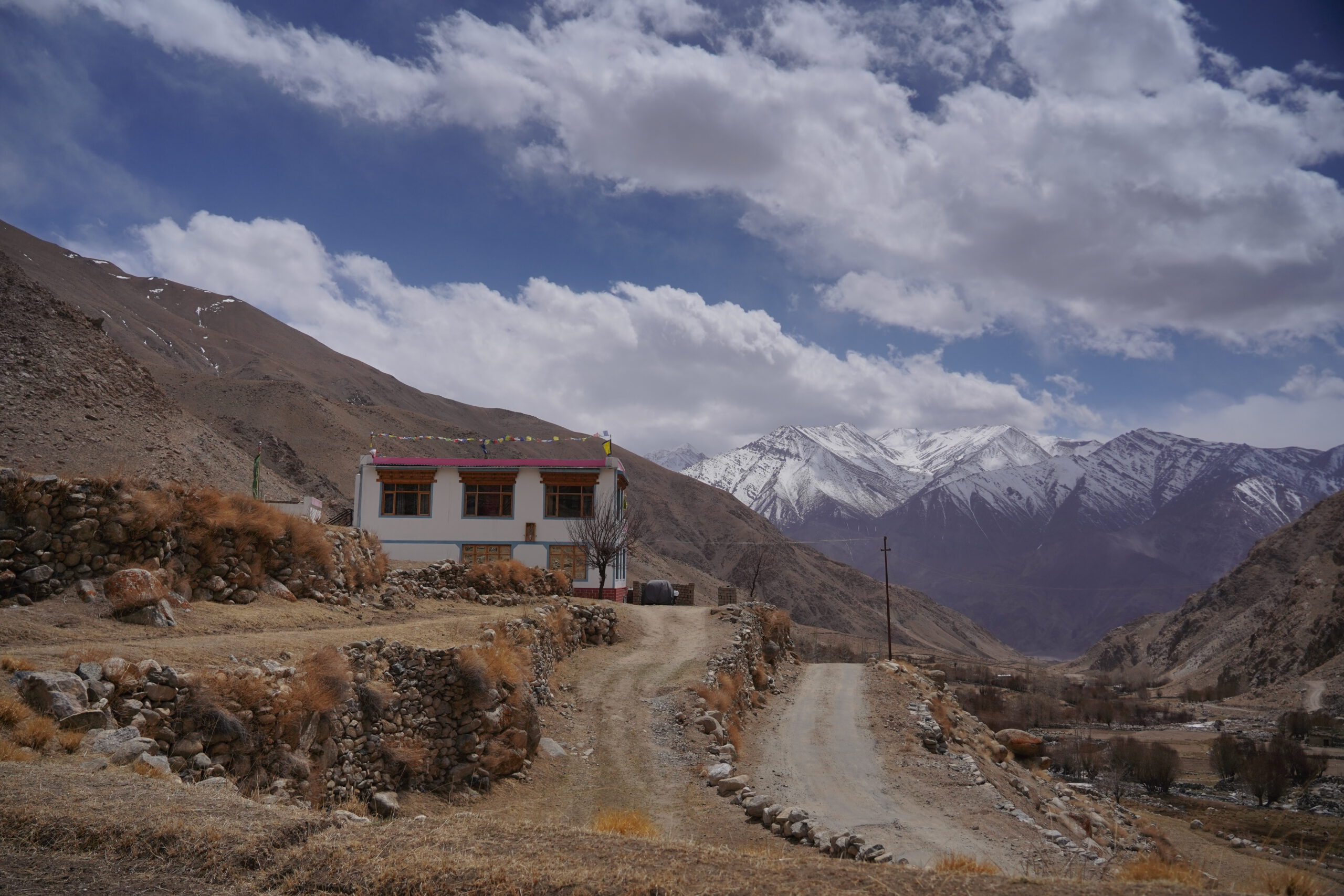
Shara Valley, located in eastern Ladakh, is made up of three villages—Shara, Sharnos, and Phuktse—as well as several smaller hamlets. Home to approximately 1,000 inhabitants, the valley lies between Leh, the capital of Ladakh, and the border region with China.
Because of its geographical position, Shara Valley has remained largely excluded from major development programs. It does not benefit from the strategic investments allocated to border regions, nor does it enjoy the economic opportunities available in Leh. As a result, it remains one of the least developed valleys in Ladakh.
The valley faces numerous socio-economic challenges:
- Nearly 30% of the population is illiterate.
- Around 45% of residents live below the poverty line.
- Out of 173 households, 152 depend primarily on small-scale agriculture.
- Approximately 70% of young adults aged 18–30 are unemployed.
- Traditional farming is becoming increasingly unprofitable.
- Access to higher education remains limited.
- Many young people are forced to seek low-paid work as road labourers or military porters along the border.
Without new economic opportunities, rural depopulation will continue and traditional knowledge, architecture, and agricultural practices risk disappearing.
The objective of this project is to improve living conditions in the valley through the development of sustainable and responsible tourism while strengthening local economic activities, protecting the environment, preserving cultural heritage, and reinforcing social cohesion.
Sustainable Tourism as a Driver of Local Development
Tourism in Ladakh is currently concentrated around Leh, where most visitors spend their time and money. Very little tourism income reaches rural communities such as Shara Valley.
The project aims to create a tourism model that directly benefits local residents while offering visitors an authentic experience of Ladakhi rural life.
Development of Family homestays
Most families in the valley possess one or two spare rooms that could be adapted to accommodate visitors. These homes offer a unique opportunity for tourists to experience daily life in a traditional Ladakhi village.
To make this possible, the project will support:
- Renovation and improvement of existing rooms
- Installation of bathrooms and sanitation facilities
- Provision of basic furniture and equipment
- Improvements in hygiene and comfort standards
The objective is not to build large hotels but to create a network of small family-run guesthouses that generate income directly for local households.
Training Local Residents in Hospitality
The majority of villagers have never worked in tourism and have limited experience welcoming international visitors.
Training programmes will therefore be organised to develop skills in:
- Guest reception
- Food preparation and hygiene
- Housekeeping
- Cultural exchange
- Small business management
- Sustainable tourism principles
Particular attention will be given to women, who will play a central role in managing guesthouses and tourism-related services.
Partnerships with French Mountain Regions
A partnership is being explored between tourism professionals in the French Pyrenees and Alpes and Ladakh.
Mountain regions share many similarities:
- Hiking tourism
- Nature-based activities
- Rural lifestyles
- Family accommodation
- Heritage preservation
Organisations such as Clévacances and Gîtes de France could provide expertise in hospitality standards, quality certification, marketing, and business management.
This exchange of knowledge would allow local communities to benefit from decades of experience in rural tourism development.
Heritage Tourism and Cultural Discovery
Preservation of the Old Village of Phuktse
The abandoned village of Phuktse is one of the most remarkable examples of traditional Ladakhi architecture.
Unlike many villages that have been transformed by modern construction, Phuktse retains its historic appearance and offers visitors a unique glimpse into the traditional way of life that existed only fifteen or twenty years ago.
However, the site is rapidly deteriorating.
Current challenges include:
- More than 70% of buildings are in poor condition.
- Heavy rains linked to climate change have accelerated structural damage.
- Many families have abandoned the village in search of more comfortable housing.
Tourism revenue would help finance:
- Restoration of traditional houses
- Conservation of historical structures
- Documentation of local heritage
- Protection of cultural landscapes
The old village could become a major cultural attraction while preserving an important part of Ladakh’s history.
Development of Hiking Trails and Experiential Tourism
To encourage visitors to stay several nights in the valley, the project proposes the creation of themed hiking routes and educational activities.
The Water Heritage Trail
Water management is one of the most fascinating aspects of life in Ladakh.
Visitors would discover:
- Ancient irrigation systems
- Glacier-fed water channels
- Traditional water-sharing practices
- Community management of scarce water resources
They would learn how water from glaciers flows through rivers and irrigation canals before reaching agricultural terraces.
The tour would also explain the role of the “Tchu-rpon” (Water Master), who oversees water distribution and ensures fairness among villagers.
Village Life Experiences
Visitors could participate in:
- Farming activities
- Traditional cooking
- Local festivals
- Cultural exchanges with residents
- Guided walks through villages and agricultural landscapes
These activities would create additional income opportunities while promoting understanding between visitors and local communities.
Training Young People as Professional Guides
Several young people from the valley already work occasionally in tourism. However, they lack professional training and language skills.
The project aims to provide training in:
- Guiding techniques
- First aid and safety
- Cultural interpretation
- Environmental awareness
Handicrafts and Local Entrepreneurship
Traditional crafts represent an important source of income and cultural identity.
The project aims to revive traditional skills while creating employment opportunities.
Pashmina Weaving
Ladakh produces some of the finest Pashmina wool in the world.
However, approximately 90% of the wool is sold as a raw material, meaning most of the added value is captured elsewhere.
Training local artisans would enable them to:
- Produce finished products locally
- Increase household incomes
- Sell directly to tourists
- Preserve traditional techniques
Wood Carving
Wood carving is an integral part of Ladakhi architecture and craftsmanship.
Traditional carved doors, windows, furniture, and religious objects are highly valued.
Training programmes would help young people develop these skills and respond to growing demand from hotels and tourism businesses.
Traditional Decorative Arts
Traditional Ladakhi motifs are increasingly sought after in hotels, guesthouses, and restoration projects.
Training local artists would preserve these cultural traditions while generating employment.
Marketi
Agricultural Development
Agriculture has been the foundation of Ladakhi society for centuries.
However, changing consumption patterns and rising labour costs have reduced profitability.
Many farmers struggle to generate sufficient income from their land.
Environmental Protection
Building an Environmentally Responsible Valley
As consumption patterns change, waste generation is increasing rapidly.
Plastic packaging, batteries, metal cans, and non-biodegradable materials are becoming major environmental concerns.
Awareness Campaigns
Educational programmes will focus on:
- Waste reduction
- Recycling
- Environmental responsibility
- Sustainable consumption
Waste Management Infrastructure
The project proposes:
- Community waste collection points
- Recycling systems
- Waste sorting facilities
- Composting initiatives
Conclusion
The Shara Valley Sustainable Tourism Project aims to create a model of rural development that balances economic growth, environmental protection, cultural preservation, and social inclusion.
By placing local communities at the centre of tourism development, the project seeks not only to improve living conditions but also to safeguard the unique heritage and identity of one of Ladakh’s most vulnerable valleys.
Through responsible tourism, Shara Valley can become a living example of how rural communities can preserve their traditions while building a sustainable future.